
Elektrik/Elektronik

Radyo Ekipmanları Yönetmeliği (RED)

Radyo dalgaları yayan veya alan tüm ekipmanlar; telsiz, WiFi, Bluetooth, RFID, GSM modülleri
2014/53/ABBilgi Teknolojileri ve İletişim Kurumu (BTK) — Sanayi ve Teknoloji Bakanlığı
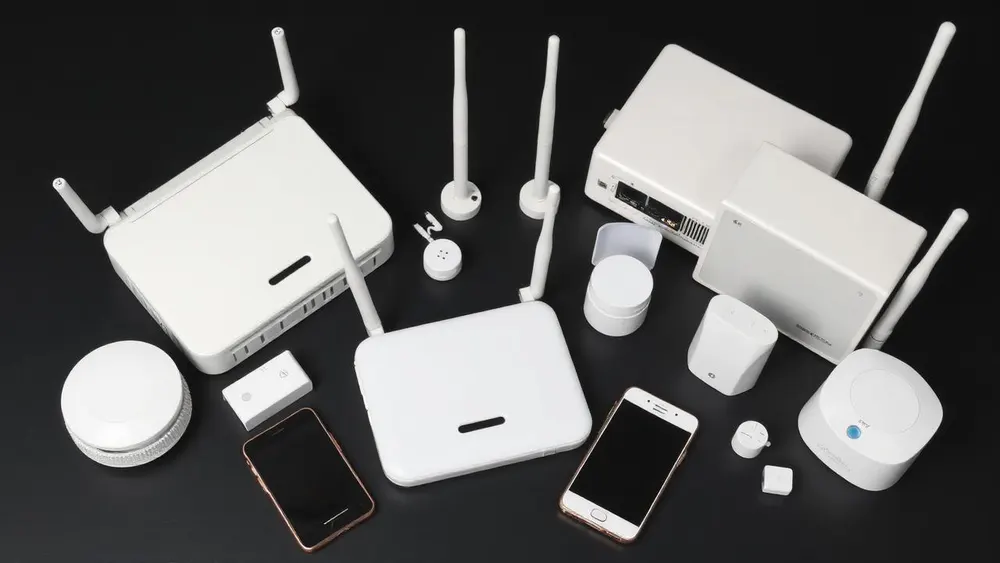
Radyo Ekipmanları Yönetmeliği (RED) — Elektrik/Elektronik kategorisi görsel

Radyo Ekipmanları Yönetmeliği (RED), radyo dalgalarını ileten veya alan tüm ekipmanların uygunluğunu kapsar. LVD ve EMC gerekliliklerini de içerir; ayrıca verimli radyo spektrumu kullanımı zorunluluğu getirir.

Çoğu standart kullanım için Modül A (iç üretim kontrolü) yeterlidir; ancak harmonize standartlara tam uyum yoksa AB Tip İncelemesi (Modül B+C) zorunludur. Bazı özel cihazlar (avcılık, yön bulma) için ek gereklilikler vardır.

RED Yönetmeliğinin Amacı

  • Radyo spektrumunun verimli kullanılmasını sağlamak
  • Telsiz ekipmanları arasında girişimi önlemek
  • Elektriksel güvenlik (LVD) ve EMC ile bütünlük kurmak
  • Acil çağrı ve konum bildirim özelliklerini güvence altına almak (3.3 maddeleri)

Kapsam ve Ürün Örnekleri

  • WiFi, Bluetooth, Zigbee modülleri
  • GSM/LTE/5G modemler
  • Telsiz, walkie-talkie, profesyonel mobil telsiz
  • Akıllı saat, fitness band, IoT cihazları
  • Drone ve uzaktan kumanda sistemleri

Radyo Ekipmanları Yönetmeliği (RED) Nasıl Alınır?

  1. 1Ürünün kullanılan radyo frekans bandlarının tespiti
  2. 2EN 300 / EN 301 serisi ETSI harmonize standartlarının belirlenmesi
  3. 3Akredite laboratuvarda radyo, EMC ve LVD testlerinin yaptırılması
  4. 4Harmonize standartlara tam uyum yoksa AB Tip İncelemesi (Modül B)
  5. 5Teknik dosya ve risk değerlendirmesinin hazırlanması
  6. 6AB Uygunluk Beyanı ve CE iliştirilmesi (gerekirse onaylanmış kuruluş kimlik numarası)

Teknik Dosyada Bulunması Gerekenler

  • Ürünün genel açıklaması ve kullanım amacı
  • Tasarım ve imalat çizimleri, devre şemaları, parça listeleri
  • Uygulanan harmonize standartların listesi ve sapma gerekçeleri
  • Risk değerlendirme raporu ve alınan koruyucu önlemler
  • Akredite laboratuvar test ve muayene raporları
  • Türkçe kullanım, kurulum ve bakım kılavuzu
  • İmzalı AT/AB Uygunluk Beyanı (DoC) örneği

AT/AB Uygunluk Beyanı (DoC) İçeriği

  • İmalatçı (ve varsa yetkili temsilci) adı, ticari unvanı ve adresi
  • Ürünün tanımı, model, tip, seri numarası ve izlenebilirlik bilgisi
  • Uygulanan AB direktifinin/yönetmeliğinin tam referansı
  • Uygunluk sağlanan harmonize standartların liste hâlinde referansları
  • Onaylanmış kuruluş adı, kimlik numarası ve düzenlenen belge referansı (gerekiyorsa)
  • İmza, imzalayan kişinin adı–görevi, yer ve tarih

İlgili Harmonize Standartlar

StandartAçıklama
EN 300 3282,4 GHz bandında geniş bantlı iletim sistemleri
EN 301 489EMC — radyo ekipmanları ve hizmetleri
EN 62311Elektromanyetik alanlara insan maruziyeti
EN 62368-1Ses, video, bilişim teknolojisi ekipmanları güvenliği

Radyo Ekipmanları Direktifi (2014/53/EU) Harmonize Standartlar — Tam Liste

AB Resmi Gazete'sinde yayımlanan ve uygunluk karinesi sağlayan EN standartlarının özet listesi. Kaynak: Avrupa Komisyonu, 17 Aralık 2025 güncellemesi. Toplam 258 kayıt, 162 aktif.

StandartBaşlıkYürürlükDurum
EN 18031-1:2024Common security requirements for radio equipment - Part 1: Internet connected radio equipment30.01.2025Yürürlükte
EN 300 065 V2.1.2Narrow-band direct-printing telegraph equipment for receiving meteorological or navigational information (NAVTEX); Harmonised Standard covering the essential requirements of articles 3.2 and 3(3)(g) of the Directive 2014/53/EU08.07.2016Yürürlükte
EN 300 086 V2.1.2Land Mobile Service; Radio equipment with an internal or external RF connector intended primarily for analogue speech; Harmonised Standard covering the essential requirements of Article 3(2) of the Directive 2014/53/EU09.12.2016Yürürlükte
EN 300 113 V2.2.1Land Mobile Service; Radio equipment intended for the transmission of data (and/or speech) using constant or non- constant envelope modulation and having an antenna connector; Harmonised Standard covering the essential requirements of Article 3(2) of the Directive 2014/53/EU12.04.2017Yürürlükte
EN 300 219 V2.1.1Land Mobile Service; Radio equipment transmitting signals to initiate a specific response in the receiver; Harmonised Standard covering the essential requirements of Article 3(2) of the Directive 2014/53/EU12.04.2017Yürürlükte
EN 300 220-2 V3.3.1Short Range Devices (SRD) operating in the frequency range 25 MHz to 1 000 MHz with power levels ranging up to 500 mW e.r.p.; Part 2: Harmonised Standard for access to radio spectrum for non specific radio equipment11.12.2025Yürürlükte
EN 300 220-3-1 V2.1.1Short Range Devices (SRD) operating in the frequency range 25 MHz to 1 000 MHz; Part 3-1: Harmonised Standard covering the essential requirements of Article 3(2) of Directive 2014/53/EU; Low duty cycle high reliability equipment, social alarms equipment operating on designated frequencies (869,200 MHz to 869,250 MHz)10.03.2017Yürürlükte
EN 300 220-3-2 V1.1.1Short Range Devices (SRD) operating in the frequency range 25 MHz to 1 000 MHz; Part 3-2: Harmonised Standard covering the essential requirements of Article 3(2) of Directive 2014/53/EU; Wireless alarms operating in designated LDC/HR frequency bands 868,60 MHz to 868,70 MHz, 869,25 MHz to 869,40 MHz, 869,65 MHz to 869,70 MHz10.03.2017Yürürlükte
EN 300 220-4 V1.1.1Short Range Devices (SRD) operating in the frequency range 25 MHz to 1 000 MHz; Part 4: Harmonised Standard covering the essential requirements of Article 3(2) of Directive 2014/53/EU; Metering devices operating in designated band 169,400 MHz to 169,475 MHz10.03.2017Yürürlükte
EN 300 224 V2.1.1Land Mobile Service; Radio Equipment for use in a Paging Service operating within the frequency range 25 MHz - 470 MHz; Harmonised Standard covering the essential requirements of Article 3(2) of Directive 2014/53/EU13.10.2017Yürürlükte
EN 300 296 V2.1.1Land Mobile Service; Radio equipment using integral antennas intended primarily for analogue speech; Harmonised Standard covering the essential requirements of Article 3(2) of the Directive 2014/53/EU12.04.2017Yürürlükte
EN 300 328 V2.2.2Wideband transmission systems; Data transmission equipment operating in the 2,4 GHz band; Harmonised Standard for access to radio spectrum06.02.2020Yürürlükte
EN 300 330 V2.1.1Short Range Devices (SRD); Radio equipment in the frequency range 9 kHz to 25 MHz and inductive loop systems in the frequency range 9 kHz to 30 MHz; Harmonised Standard covering the essential requirements of Article 3(2) of Directive 2014/53/EU10.03.2017Yürürlükte
EN 300 341 V2.1.1Land Mobile Service; Radio equipment using an integral antenna transmitting signals to initiate a specific response in the receiver; Harmonised Standard covering the essential requirements of Article 3(2) of the Directive 2014/53/EU12.04.2017Yürürlükte
EN 300 390 V2.1.1Land Mobile Service; Radio equipment intended for the transmission of data (and speech) and using an integral antenna; Harmonised Standard covering the essential requirements of Article 3(2) of the Directive 2014/53/EU12.04.2017Yürürlükte
EN 300 422-4 V2.1.1Wireless Microphones; Audio PMSE up to 3 GHz; Part 4: Assistive Listening Devices including personal sound amplifiers and inductive systems up to 3 GHz; Harmonised Standard covering the essential requirements of Article 3(2) of Directive 2014/53/EU09.02.2018Yürürlükte
EN 300 433 V2.1.1Citizens' Band (CB) radio equipment; Harmonised Standard covering the essential requirements of Article 3(2) of the Directive 2014/53/EU12.04.2017Yürürlükte
EN 300 440 V2.1.1Short Range Devices (SRD); Radio equipment to be used in the 1 GHz to 40 GHz frequency range; Harmonised Standard covering the essential requirements of Article 3(2) of Directive 2014/53/EU This harmonised standard does not address, for receiver categories 2 and 3 as defined in Table 5, the requirements relating to receiver performance parameters and does not confer a presumption of conformity as regards those parameters.14.07.2017Yürürlükte
EN 300 454-2 V1.1.1Electromagnetic compatibility and Radio spectrum Matters (ERM); Wide band audio links; Part 2: Harmonized EN under Article 3(2) of the R&TTE Directive This harmonised standard does not address requirements relating to receiver performance parameters and does not confer a presumption of conformity as regards those parameters.08.06.2017Yürürlükte
EN 300 487 V2.2.1Satellite Earth Stations and Systems (SES); Receive-Only Mobile Earth Stations (ROMES) providing data communications operating in the 1,5 GHz frequency band; Harmonised Standard for access to radio spectrum14.08.2025Yürürlükte
EN 300 674-2-2 V2.2.1Transport and Traffic Telematics (TTT); Dedicated Short Range Communication (DSRC) transmission equipment (500 kbit/s / 250 kbit/s) operating in the 5 795 MHz to 5 815 MHz frequency band; Part 2: Harmonised Standard for access to radio spectrum; Sub-part 2: On-Board Units (OBU)06.02.2020Yürürlükte
EN 300 676-2 V2.1.1Ground-based VHF hand-held, mobile and fixed radio transmitters, receivers and transceivers for the VHF aeronautical mobile service using amplitude modulation; Part 2: Harmonised Standard covering the essential requirements of Article 3(2) of the Directive 2014/53/EU08.07.2016Yürürlükte
EN 300 698 V2.3.1Radio telephone transmitters and receivers for the maritime mobile service operating in the VHF bands used on inland waterways; Harmonised Standard for access to radio spectrum and for features for emergency services06.02.2020Yürürlükte
EN 300 718-1 V2.2.1Avalanche Beacons operating at 457 kHz; Transmitter-receiver systems; Part 1: Harmonised Standard for access to radio spectrum29.03.2022Yürürlükte
EN 300 718-2 V1.1.1Electromagnetic compatibility and Radio spectrum Matters (ERM); Avalanche Beacons; Transmitter-receiver systems; Part 2: Harmonized EN covering essential requirements of Article 3(2) of the R&TTE Directive This harmonised standard does not address requirements relating to receiver performance parameters and does not confer a presumption of conformity as regards those parameters.08.06.2017Yürürlükte
EN 300 718-2 V2.1.1Avalanche Beacons operating at 457 kHz; Transmitter-receiver systems; Part 2: Harmonised Standard for features for emergency services09.03.2018Yürürlükte
EN 300 720 V2.1.1Ultra-High Frequency (UHF) on-board vessels communications systems and equipment; Harmonised Standard covering the essential requirements of Article 3(2) of the Directive 2014/53/EU10.03.2017Yürürlükte
EN 301 091-2 V1.3.2Electromagnetic compatibility and Radio spectrum Matters (ERM); Short Range Devices; Road Transport and Traffic Telematics (RTTT); Radar equipment operating in the 76 GHz to 77 GHz; Part 2: Harmonized EN covering essential requirements of Article 3(2) of the R&TTE Directive This harmonised standard does not address requirements relating to receiver performance parameters and does not confer a presumption of conformity as regards those parameters.08.06.2017Yürürlükte
EN 301 166 V2.1.1Land Mobile Service; Radio equipment for analogue and/or digital communication (speech and/or data) and operating on narrow band channels and having an antenna connector; Harmonised Standard covering the essential requirements of Article 3(2) of the Directive 2014/53/EU10.02.2017Yürürlükte
EN 301 178 V2.2.2Portable Very High Frequency (VHF) radiotelephone equipment for the maritime mobile service operating in the VHF bands (for non-GMDSS applications only); Harmonised Standard covering the essential requirements of Article 3(2) of Directive 2014/53/EU12.05.2017Yürürlükte
EN 301 357 V2.1.1Cordless audio devices in the range 25 MHz to 2 000 MHz; Harmonised Standard covering the essential requirements of Article 3(2) of Directive 2014/53/EU14.07.2017Yürürlükte
EN 301 360 V2.1.1Satellite Earth Stations and Systems (SES); Harmonised Standard for Satellite Interactive Terminals (SIT) and Satellite User Terminals (SUT) transmitting towards satellites in geostationary orbit, operating in the 27,5 GHz to 29,5 GHz frequency bands covering the essential requirements of Article 3(2) of the Directive 2014/53/EU11.11.2016Yürürlükte
EN 301 406 V2.2.2Digital Enhanced Cordless Telecommunications (DECT); Harmonised Standard covering the essential requirements of Article 3(2) of the Directive 2014/53/EU11.11.2016Yürürlükte
EN 301 406-2 V3.1.1Digital Enhanced Cordless Telecommunications (DECT); Harmonised Standard for access to radio spectrum; Part 2: DECT-2020 NR15.05.2025Yürürlükte
EN 301 426 V2.1.2Satellite Earth Stations and Systems (SES); Harmonised Standard for Low data rate Land Mobile satellite Earth Stations (LMES) and Maritime Mobile satellite Earth Stations (MMES) not intended for distress and safety communications operating in the 1,5 GHz/1,6 GHz frequency bands covering the essential requirements of Article 3(2) of the Directive 2014/53/EU13.01.2017Yürürlükte
EN 301 427 V2.1.1Satellite Earth Stations and Systems (SES); Harmonised Standard for low data rate Mobile satellite Earth Stations (MES) except aeronautical mobile satellite earth stations, operating in the 11/12/14 GHz frequency bands covering the essential requirements of Article 3(2) of the Directive 2014/53/EU12.04.2017Yürürlükte
EN 301 428 V2.1.2Satellite Earth Stations and Systems (SES); Harmonised Standard for Very Small Aperture Terminal (VSAT); Transmit-only, transmit/receive or receive-only satellite earth stations operating in the 11/12/14 GHz frequency bands covering the essential requirements of Article 3(2) of Directive 2014/53/EU08.06.2017Yürürlükte
EN 301 430 V2.1.1Satellite Earth Stations and Systems (SES); Harmonised Standard for Satellite News Gathering Transportable Earth Stations (SNG TES) operating in the 11 GHz to 12 GHz/13 GHz to 14 GHz frequency bands covering the essential requirements of Article 3(2) of the Directive 2014/53/EU14.10.2016Yürürlükte
EN 301 441 V2.1.1Satellite Earth Stations and Systems (SES); Harmonised Standard for Mobile Earth Stations (MES), including handheld earth stations, for Satellite Personal Communications Networks (S-PCN) operating in the 1,6 GHz/2,4 GHz frequency band under the Mobile Satellite Service (MSS) covering the essential requirements of Article 3(2) of the Directive 2014/53/EU12.04.2017Yürürlükte
EN 301 442 V2.1.1Satellite Earth Stations and Systems (SES); Harmonised Standard for NGSO Mobile Earth Stations (MES) including handheld earth stations, for Satellite Personal Communications Networks (S- PCN) operating in the 1 980 MHz to 2 010 MHz (earth-to-space) and 2 170 MHz to 2 200 MHz (space-to-earth) frequency bands under the Mobile Satellite Service (MSS) covering the essential requirements of Article 3(2) of the Directive 2014/53/EU12.04.2017Yürürlükte
EN 301 443 V2.1.1Satellite Earth Stations and Systems (SES); Harmonised Standard for Very Small Aperture Terminal (VSAT); Transmit-only, transmit-and-receive, receive-only satellite earth stations operating in the 4 GHz and 6 GHz frequency bands covering the essential requirements of Article 3(2) of the Directive 2014/53/EU12.04.2017Yürürlükte
EN 301 447 V2.1.1Satellite Earth Stations and Systems (SES); Harmonised Standard for satellite Earth Stations on board Vessels (ESVs) operating in the 4/6 GHz frequency bands allocated to the Fixed Satellite Service (FSS) covering the essential requirements of Article 3(2) of the Directive 2014/53/EU12.04.2017Yürürlükte
EN 301 459 V2.1.1Satellite Earth Stations and Systems (SES); Harmonised Standard for Satellite Interactive Terminals (SIT) and Satellite User Terminals (SUT) transmitting towards satellites in geostationary orbit, operating in the 29,5 GHz to 30,0 GHz frequency bands covering the essential requirements of Article 3(2) of the Directive 2014/53/EU14.10.2016Yürürlükte
EN 301 473 V2.1.2Satellite Earth Stations and Systems (SES); Harmonised Standard for Aircraft Earth Stations (AES) providing Aeronautical Mobile Satellite Service (AMSS)/Mobile Satellite Service (MSS) and/or the Aeronautical Mobile Satellite on Route Service (AMS(R)S)/Mobile Satellite Service (MSS), operating in the frequency band below 3 GHz covering the essential requirements of Article 3(2) of the Directive 2014/53/EU13.01.2017Yürürlükte
EN 301 489-17 V3.3.1ElectroMagnetic Compatibility (EMC) standard for radio equipment and services; Part 17: Specific conditions for Broadband and Wideband Data Transmission Systems; Harmonised Standard for ElectroMagnetic Compatibility15.05.2025Yürürlükte
EN 301 489-19 V2.2.1ElectroMagnetic Compatibility (EMC) standard for radio equipment and services; Part 19: Specific conditions for Receive Only Mobile Earth Stations (ROMES) operating in the 1,5 GHz band providing data communications and GNSS receivers operating in the RNSS band providing positioning, navigation, and timing data; Harmonised Standard for ElectroMagnetic Compatibility15.05.2025Yürürlükte
EN 301 489-28 V2.1.1ElectroMagnetic Compatibility (EMC) standard for radio equipment and services; Part 28: Specific conditions for wireless digital video links; Harmonised Standard for ElectroMagnetic Compatibility14.08.2025Yürürlükte
EN 301 489-3 V2.3.2ElectroMagnetic Compatibility (EMC) standard for radio equipment and services; Part 3: Specific conditions for Short Range Devices (SRD) operating on frequencies between 9 kHz and 246 GHz; Harmonised Standard for ElectroMagnetic Compatibility15.05.2025Yürürlükte
EN 301 489-52 V1.3.1ElectroMagnetic Compatibility (EMC) standard for radio equipment and services; Part 52: Specific conditions for Cellular Communication User Equipment (UE) radio and ancillary equipment; Harmonised Standard for ElectroMagnetic Compatibility15.05.2025Yürürlükte
EN 301 489-54 V1.1.1ElectroMagnetic Compatibility (EMC) standard for radio equipment and services; Part 54: Specific conditions for fixed ground based aeronautical and meteorological radars; Harmonised Standard for electromagnetic compatibility15.05.2025Yürürlükte
EN 301 502 V12.5.2Global System for Mobile communications (GSM); Base Station (BS) equipment; Harmonised Standard covering the essential requirements of Article 3(2) of Directive 2014/53/EU12.04.2017Yürürlükte
EN 301 511 V12.5.1Global System for Mobile communications (GSM); Mobile Stations (MS) equipment; Harmonised Standard covering the essential requirements of Article 3(2) of Directive 2014/53/EU09.02.2018Yürürlükte
EN 301 559 V2.1.1Short Range Devices (SRD); Low Power Active Medical Implants (LP-AMI) and associated Peripherals (LP-AMI-P) operating in the frequency range 2 483,5 MHz to 2 500 MHz; Harmonised Standard covering the essential requirements of Article 3(2) of the Directive 2014/53/EU13.01.2017Yürürlükte
EN 301 598 V1.1.1White Space Devices (WSD); Wireless Access Systems operating in the 470 MHz to 790 MHz TV broadcast band; Harmonized EN covering the essential requirements of Article 3(2) of the R&TTE Directive This harmonised standard does not address requirements relating to receiver performance parameters and does not confer a presumption of conformity as regards those parameters.08.06.2017Yürürlükte
EN 301 681 V2.1.2Satellite Earth Stations and Systems (SES); Harmonised Standard for Mobile Earth Stations (MES) of Geostationary mobile satellite systems, including handheld earth stations, for Satellite Personal Communications Networks (S- PCN) under the Mobile Satellite Service (MSS), operating in the 1,5 GHz and 1,6 GHz frequency bands covering the essential requirements of Article 3(2) of the Directive 2014/53/EU13.01.2017Yürürlükte
EN 301 721 V2.1.1Satellite Earth Stations and Systems (SES); Harmonised Standard for Mobile Earth Stations (MES) providing Low Bit Rate Data Communications (LBRDC) using Low Earth Orbiting (LEO) satellites operating below 1 GHz frequency band covering the essential requirements of Article 3(2) of the Directive 2014/53/EU12.04.2017Yürürlükte
EN 301 783 V2.1.1Commercially available amateur radio equipment; Harmonised Standard covering the essential requirements of Article 3(2) of the Directive 2014/53/EU08.07.2016Yürürlükte
EN 301 839 V2.1.1Ultra Low Power Active Medical Implants (ULP-AMI) and associated Peripherals (ULP-AMI-P) operating in the frequency range 402 MHz to 405 MHz; Harmonised Standard covering the essential requirements of Article 3(2) of the Directive 2014/53/EU08.07.2016Yürürlükte
EN 301 841-3 V2.1.1VHF air-ground Digital Link (VDL) Mode 2; Technical characteristics and methods of measurement for ground- based equipment; Part 3: Harmonised Standard covering the essential requirements of Article 3(2) of the Directive 2014/53/EU13.01.2017Yürürlükte
EN 301 842-5 V2.1.1VHF air-ground Digital Link (VDL) Mode 4 radio equipment; Technical characteristics and methods of measurement for ground-based equipment; Part 5: Harmonised Standard covering the essential requirements of Article 3(2) of the Directive 2014/53/EU13.01.2017Yürürlükte
EN 301 893 V1.8.1Broadband Radio Access Networks (BRAN); 5 GHz high performance RLAN; Harmonized EN covering the essential requirements of Article 3(2) of the R&TTE Directive This harmonised standard does not address requirements relating to receiver performance parameters and does not confer a presumption of conformity as regards those parameters.08.06.2017Yürürlükte
EN 301 893 V2.2.15 GHz WAS/RLAN; Harmonised Standard for access to radio spectrum15.05.2025Yürürlükte
EN 301 908-1 V15.2.1IMT cellular networks; Harmonised Standard for access to radio spectrum; Part 1: Introduction and common requirements; Release 1504.10.2023Yürürlükte
EN 301 908-11 V11.1.2IMT cellular networks; Harmonised Standard covering the essential requirements of Article 3(2) of the Directive 2014/53/EU; Part 11: CDMA Direct Spread (UTRA FDD) Repeaters10.02.2017Yürürlükte
EN 301 908-12 V7.1.1IMT cellular networks; Harmonised Standard covering the essential requirements of Article 3(2) of the Directive 2014/53/EU; Part 12: CDMA Multi-Carrier (cdma2000) Repeaters09.09.2016Yürürlükte
EN 301 908-13 V13.3.1IMT cellular networks; Harmonised Standard for access to radio spectrum; Part 13: Evolved Universal Terrestrial Radio Access (E-UTRA) User Equipment (UE)15.05.2025Yürürlükte
EN 301 908-14 V17.1.1IMT cellular networks; Harmonised Standard for access to radio spectrum; Part 14: Evolved Universal Terrestrial Radio Access (E-UTRA) Base Stations (BS) Release 1714.08.2025Yürürlükte
EN 301 908-15 V15.1.1IMT cellular networks; Harmonised Standard for access to radio spectrum; Part 15: Evolved Universal Terrestrial Radio Access (E-UTRA FDD) Repeaters29.03.2022Yürürlükte
EN 301 908-18 V17.1.1IMT cellular networks; Harmonised Standard for access to radio spectrum; Part 18: NR, E-UTRA, UTRA and GSM/EDGE Multi-Standard Radio (MSR) Base Station (BS) Release 1714.08.2025Yürürlükte
EN 301 908-19 V6.3.1IMT cellular networks; Harmonised Standard covering the essential requirements of Article 3(2) of the Directive 2014/53/EU; Part 19: OFDMA TDD WMAN (Mobile WiMAXTM) TDD User Equipment (UE)08.06.2017Yürürlükte
EN 301 908-2 V13.1.1IMT cellular networks; Harmonised Standard for access to radio spectrum; Part 2: CDMA Direct Spread (UTRA FDD) User Equipment (UE)27.10.2020Yürürlükte
EN 301 908-20 V6.3.1IMT cellular networks; Harmonised Standard covering the essential requirements of Article 3(2) of the Directive 2014/53/EU; Part 20: OFDMA TDD WMAN (Mobile WiMAXTM) TDD Base Stations (BS)14.10.2016Yürürlükte
EN 301 908-21 V6.1.1IMT cellular networks; Harmonised Standard covering the essential requirements of Article 3(2) of the Directive 2014/53/EU; Part 21: OFDMA TDD WMAN (Mobile WiMAXTM) FDD User Equipment (UE)14.10.2016Yürürlükte
EN 301 908-22 V6.1.1IMT cellular networks; Harmonised Standard covering the essential requirements of Article 3(2) of the Directive 2014/53/EU; Part 22: OFDMA TDD WMAN (Mobile WiMAXTM) FDD Base Stations (BS)09.12.2016Yürürlükte
EN 301 908-23 V15.1.1IMT cellular networks; Harmonised Standard for access to radio spectrum; Part 23: Active Antenna System (AAS) Base Station (BS); Release 1515.05.2025Yürürlükte
EN 301 908-24 V15.1.1IMT cellular networks; Harmonised Standard for access to radio spectrum; Part 24: New Radio (NR) Base Stations (BS) Release 1515.05.2025Yürürlükte
EN 301 908-25 V15.1.1IMT cellular networks; Harmonised Standard for access to radio spectrum; Part 25: New Radio (NR) User Equipment (UE) Release 1515.05.2025Yürürlükte
EN 301 908-3 V15.1.1IMT cellular networks; Harmonised Standard for access to radio spectrum; Part 3: CDMA Direct Spread (UTRA FDD) Base Stations (BS) Release 1515.05.2025Yürürlükte
EN 301 929 V2.1.1VHF transmitters and receivers as Coast Stations for GMDSS and other applications in the maritime mobile service; Harmonised Standard covering the essential requirements of Article 3(2) of Directive 2014/53/EU12.04.2017Yürürlükte
EN 302 017 V2.1.1Transmitting equipment for the Amplitude Modulated (AM) sound broadcasting service; Harmonised Standard covering the essential requirements of Article 3(2) of Directive 2014/53/EU12.05.2017Yürürlükte
EN 302 018 V2.1.1Transmitting equipment for the Frequency Modulated (FM) sound broadcasting service; Harmonised Standard covering the essential requirements of Article 3(2) of Directive 2014/53/EU08.06.2017Yürürlükte
EN 302 054 V2.2.1Meteorological Aids (Met Aids); Radiosondes to be used in the 400,15 MHz to 406 MHz frequency range with power levels ranging up to 200 mW; Harmonised Standard for access to radio spectrum09.03.2018Yürürlükte
EN 302 064 V2.2.1Wireless Digital Video Links operating in the 1,3 GHz to 50 GHz frequency band; Harmonised Standard for access to radio spectrum15.05.2025Yürürlükte
EN 302 065-1 V2.1.1Short Range Devices (SRD) using Ultra Wide Band technology (UWB); Harmonised Standard covering the essential requirements of Article 3(2) of the Directive 2014/53/EU; Part 1: Requirements for Generic UWB applications10.03.2017Yürürlükte
EN 302 065-2 V2.1.1Short Range Devices (SRD) using Ultra Wide Band technology (UWB); Harmonised Standard covering the essential requirements of Article 3(2) of the Directive 2014/53/EU; Part 2: Requirements for UWB location tracking10.03.2017Yürürlükte
EN 302 065-3-1 V3.2.1Short Range Devices (SRD) using Ultra Wide Band technology (UWB); Harmonised standard for access to radio spectrum; Part 3: UWB devices installed in motor and railway vehicles; Sub-part 1:Requirements for UWB devices for vehicular access systems within 3,8 GHz to 4,2 GHz or 6 GHz to 8,5 GHz14.08.2025Yürürlükte
EN 302 065-4-1 V2.2.1Short Range Devices (SRD) using Ultra Wide Band technology (UWB); Harmonised Standard for access to radio spectrum; Part 4: Material Sensing devices; Sub-part 1: Building material analysis operating within 30 MHz to 10,6 GHz14.08.2025Yürürlükte
EN 302 066 V2.2.1Short Range Devices (SRD); Ground- and Wall- Probing Radio determination (GPR/WPR) devices; Harmonised Standard for access to radio spectrum20.07.2021Yürürlükte
EN 302 077 V2.3.1Transmitting equipment for the Digital Audio Broadcasting (DAB) service; Harmonised Standard for access to radio spectrum04.10.2023Yürürlükte
EN 302 186 V2.1.1Satellite Earth Stations and Systems (SES); Harmonised Standard for satellite mobile Aircraft Earth Stations (AESs) operating in the 11/12/14 GHz frequency bands covering the essential requirements of Article 3(2) of the Directive 2014/53/EU12.04.2017Yürürlükte
EN 302 194-2 V1.1.2Electromagnetic compatibility and Radio spectrum Matters (ERM); Navigation radar used on inland waterways; Part 2: Harmonized EN covering essential requirements of Article 3(2) of the R&TTE Directive This harmonised standard does not address requirements relating to receiver performance parameters and does not confer a presumption of conformity as regards those parameters.08.06.2017Yürürlükte
EN 302 195 V2.1.1Short Range Devices (SRD); Ultra Low Power Active Medical Implants (ULP- AMI) and accessories (ULP-AMI-P) operating in the frequency range 9 kHz to 315 kHz Harmonised Standard covering the essential requirements of Article 3(2) of the Directive 2014/53/EU11.11.2016Yürürlükte
EN 302 208 V3.3.1Radio Frequency Identification Equipment operating in the band 865 MHz to 868 MHz with power levels up to 2 W and in the band 915 MHz to 921 MHz with power levels up to 4 W; Harmonised Standard for access to radio spectrum20.07.2021Yürürlükte
EN 302 217-2 V3.3.1Fixed Radio Systems; Characteristics and requirements for point-to-point equipment and antennas; Part 2: Digital systems operating in frequency bands from 1 GHz to 86 GHz; Harmonised Standard for access to radio spectrum29.03.2022Yürürlükte
EN 302 245 V2.2.1Transmitting equipment for the Digital Radio Mondiale (DRM) service; Harmonised Standard for access to radio spectrum04.10.2023Yürürlükte
EN 302 248 V2.1.1Navigation radar for use on non-SOLAS vessels; Harmonised Standard covering the essential requirements of Article 3(2) of the Directive 2014/53/EU10.03.2017Yürürlükte
EN 302 264-2 V1.1.1Electromagnetic compatibility and Radio spectrum Matters (ERM); Short Range Devices; Road Transport and Traffic Telematics (RTTT); Short Range Radar equipment operating in the 77 GHz to 81 GHz band; Part 2: Harmonized EN covering the essential requirements of Article 3(2) of the R&TTE Directive This harmonised standard does not address requirements relating to receiver performance parameters and does not confer a presumption of conformity as regards those parameters.08.06.2017Yürürlükte
EN 302 288-2 V1.6.1Electromagnetic compatibility and Radio spectrum Matters (ERM); Short Range Devices; Road Transport and Traffic Telematics (RTTT); Short range radar equipment operating in the 24 GHz range; Part 2: Harmonized EN covering the essential requirements of Article 3(2) of the R&TTE Directive This harmonised standard does not address requirements relating to receiver performance parameters and does not confer a presumption of conformity as regards those parameters.08.06.2017Yürürlükte
EN 302 296 V2.2.1Digital Terrestrial TV Transmitters; Harmonised Standard for access to radio spectrum29.03.2022Yürürlükte
EN 302 326-2 V1.2.2Fixed Radio Systems; Multipoint Equipment and Antennas; Part 2: Harmonized EN covering the essential requirements of Article 3(2) of the R&TTE Directive for Digital Multipoint Radio Equipment12.04.2017Yürürlükte
EN 302 340 V2.1.1Satellite Earth Stations and Systems (SES); Harmonised Standard for satellite Earth Stations on board Vessels (ESVs) operating in the 11/12/14 GHz frequency bands allocated to the Fixed Satellite Service (FSS) covering the essential requirements of Article 3(2) of the Directive 2014/53/EU12.04.2017Yürürlükte
EN 302 372 V2.1.1Short Range Devices (SRD); Tank Level Probing Radar (TLPR) equipment operating in the frequency ranges 4,5 GHz to 7 GHz, 8,5 GHz to 10,6 GHz, 24,05 GHz to 27 GHz, 57 GHz to 64 GHz, 75 GHz to 85 GHz; Harmonised Standard covering the essential requirements of Article 3(2) of the Directive 2014/53/EU10.03.2017Yürürlükte
EN 302 448 V2.1.1Satellite Earth Stations and Systems (SES); Harmonised Standard for tracking Earth Stations on Trains (ESTs) operating in the 14/12 GHz frequency bands covering the essential requirements of Article 3(2) of the Directive 2014/53/EU12.04.2017Yürürlükte
EN 302 454 V2.2.1Meteorological Aids (Met Aids); Radiosondes to be used in the 1 668,4 MHz to 1 690 MHz frequency range; Harmonised Standard for access to radio spectrum14.09.2018Yürürlükte
EN 302 480 V3.1.1Mobile Communication On Board Aircraft (MCOBA) systems; Harmonised Standard for access to radio spectrum11.12.2025Yürürlükte
EN 302 502 V2.1.1Wireless Access Systems (WAS); 5,8 GHz fixed broadband data transmitting systems; Harmonised Standard covering the essential requirements of Article 3(2) of Directive 2014/53/EU12.05.2017Yürürlükte
EN 302 510-2 V1.1.1Electromagnetic compatibility and Radio spectrum Matters (ERM); Radio equipment in the frequency range 30 MHz to 37,5 MHz for Ultra Low Power Active Medical Membrane Implants and Accessories; Part 2: Harmonized EN covering essential requirements of Article 3(2) of the R&TTE Directive This harmonised standard does not address requirements relating to receiver performance parameters and does not confer a presumption of conformity as regards those parameters.08.06.2017Yürürlükte
EN 302 536-2 V1.1.1Electromagnetic compatibility and Radio spectrum Matters (ERM); Short Range Devices (SRD); Radio equipment in the frequency range 315 kHz to 600 kHz; Part 2: Harmonized EN covering essential requirements of Article 3(2) of the R&TTE Directive This harmonised standard does not address requirements relating to receiver performance parameters and does not confer a presumption of conformity as regards those parameters.08.06.2017Yürürlükte
EN 302 537 V2.1.1Ultra Low Power Medical Data Service (MEDS) Systems operating in the frequency range 401 MHz to 402 MHz and 405 MHz to 406 MHz; Harmonised Standard covering the essential requirements of Article 3(2) of the Directive 2014/53/EU13.01.2017Yürürlükte
EN 302 561 V2.1.1Land Mobile Service; Radio equipment using constant or non-constant envelope modulation operating in a channel bandwidth of 25 kHz, 50 kHz, 100 kHz or 150 kHz; Harmonised Standard covering the essential requirements of Article 3(2) of the Directive 2014/53/EU12.04.2017Yürürlükte
EN 302 567 V2.2.1Multiple-Gigabit/s radio equipment operating in the 60 GHz band; Harmonised Standard for access to radio spectrum29.03.2022Yürürlükte
EN 302 571 V2.1.1Intelligent Transport Systems (ITS); Radiocommunications equipment operating in the 5 855 MHz to 5 925 MHz frequency band; Harmonised Standard covering the essential requirements of Article 3(2) of Directive 2014/53/EU08.06.2017Yürürlükte
EN 302 574-1 V2.1.2Satellite Earth Stations and Systems (SES); Harmonised Standard for Mobile Earth Stations (MES) operating in the 1 980 MHz to 2 010 MHz (earth-to-space) and 2 170 MHz to 2 200 MHz (space-to- earth) frequency bands covering the essential requirements of Article 3(2) of the Directive 2014/53/EU; Part 1: Complementary Ground Component (CGC) for wideband systems12.04.2017Yürürlükte
EN 302 574-2 V2.1.2Satellite Earth Stations and Systems (SES); Harmonised Standard for Mobile Earth Stations (MES) operating in the 1 980 MHz to 2 010 MHz (earth-to-space) and 2 170 MHz to 2 200 MHz (space-to- earth) frequency bands covering the essential requirements of Article 3(2) of the Directive 2014/53/EU; Part 2: User Equipment (UE) for wideband systems12.04.2017Yürürlükte
EN 302 574-3 V2.1.1Satellite Earth Stations and Systems (SES); Harmonised Standard for Mobile Earth Stations (MES) operating in the 1 980 MHz to 2 010 MHz (earth-to-space) and 2 170 MHz to 2 200 MHz (space-to- earth) frequency bands covering the essential requirements of Article 3(2) of the Directive 2014/53/EU; Part 3: User Equipment (UE) for narrowband systems12.04.2017Yürürlükte
EN 302 608 V1.1.1Electromagnetic compatibility and Radio spectrum Matters (ERM);Short Range Devices (SRD); Radio equipment for Eurobalise railway systems;Harmonized EN covering the essential requirements of Article 3(2) of the R&TTE Directive This harmonised standard does not address requirements relating to receiver performance parameters and does not confer a presumption of conformity as regards those parameters.08.06.2017Yürürlükte
EN 302 609 V2.2.1Short Range Devices (SRD); Radio equipment for Euroloop communication systems; Harmonised Standard for access to radio spectrum20.07.2021Yürürlükte
EN 302 617 V2.3.1Ground-based UHF radio transmitters, receivers and transceivers for the UHF aeronautical mobile service using amplitude modulation; Harmonised Standard for access to radio spectrum14.09.2018Yürürlükte
EN 302 686 V1.1.1Intelligent Transport Systems (ITS); Radiocommunications equipment operating in the 63 GHz to 64 GHz frequency band; Harmonized EN covering the essential requirements of Article 3(2) of the R&TTE Directive This harmonised standard does not address requirements relating to receiver performance parameters and does not confer a presumption of conformity as regards those parameters.08.06.2017Yürürlükte
EN 302 729-1 V3.1.1Short Range Devices (SRD) using Ultra Wide Band technology (UWB); Harmonised standard for access to radio spectrum; Part 1: Level Probing Radar (LPR) equipment operating in the frequency ranges 6 GHz to 8,5 GHz, 24,05 GHz to 26,5 GHz, 57 GHz to 64 GHz, 75 GHz to 85 GHz for strictly vertical downward installation11.12.2025Yürürlükte
EN 302 858-2 V1.3.1Electromagnetic compatibility and Radio spectrum Matters (ERM);Road Transport and Traffic Telematics (RTTT); Automotive radar equipment operating in the 24,05 GHz up to 24,25 GHz or 24,50 GHz frequency range;Part 2: Harmonized EN covering the essential requirements of Article 3(2) of the R&TTE Directive This harmonised standard does not address requirements relating to receiver performance parameters and does not confer a presumption of conformity as regards those parameters.08.06.2017Yürürlükte
EN 302 885 V2.2.3Portable Very High Frequency (VHF) radiotelephone equipment for the maritime mobile service operating in the VHF bands with integrated handheld class H DSC; Harmonised Standard covering the essential requirements of articles 3.2 and 3(3)(g) of Directive 2014/53/EU12.05.2017Yürürlükte
EN 302 961 V2.1.2Maritime Personal Homing Beacon intended for use on the frequency 121,5 MHz for search and rescue purposes only; Harmonised Standard covering the essential requirements of Article 3(2) of the Directive 2014/53/EU11.11.2016Yürürlükte
EN 302 977 V2.1.1Satellite Earth Stations and Systems (SES); Harmonised Standard for Vehicle- Mounted Earth Stations (VMES) operating in the 14/12 GHz frequency bands covering the essential requirements of Article 3(2) of the Directive 2014/53/EU12.04.2017Yürürlükte
EN 303 039 V2.1.2Land Mobile Service; Multichannel transmitter specification for the PMR Service; Harmonised Standard covering the essential requirements of Article 3(2) of the Directive 2014/53/EU11.11.2016Yürürlükte
EN 303 084 V2.1.1Ground Based Augmentation System (GBAS) VHF ground-air Data Broadcast (VDB); Technical characteristics and methods of measurement for ground- based equipment; Harmonised Standard covering the essential requirements of Article 3(2) of the Directive 2014/53/EU11.11.2016Yürürlükte
EN 303 132 V2.1.1Maritime VHF survivor locating devices employing Digital Selective Calling (DSC Class M); Harmonised Standard for access to radio spectrum and for features for emergency services04.10.2023Yürürlükte
EN 303 135 V2.1.1Electromagnetic compatibility and Radio spectrum Matters (ERM); Coastal Surveillance, Vessel Traffic Services and Harbour Radars (CS/VTS/HR); Harmonised Standard covering the essential requirements of Article 3(2) of the Directive 2014/53/EU13.01.2017Yürürlükte
EN 303 203 V2.1.1Short Range Devices (SRD); Medical Body Area Network Systems (MBANSs) operating in the 2 483,5 MHz to 2 500 MHz range; Harmonised Standard covering the essential requirements of Article 3(2) of the Directive 2014/53/EU12.08.2016Yürürlükte
EN 303 204 V3.1.1Fixed Short Range Devices (SRD) in data networks; Radio equipment to be used in the 870 MHz to 876 MHz frequency range with power levels ranging up to 500 mW e.r.p.; Harmonised Standard for access to the radio spectrum20.07.2021Yürürlükte
EN 303 213-5-1 V2.1.1Advanced Surface Movement Guidance and Control System (A-SMGCS); Part 5: Harmonised Standard for access to radio spectrum for Multilateration (MLAT) equipment; Sub-part 1: Receivers and Interrogators15.05.2025Yürürlükte
EN 303 213-6-1 V3.1.1Advanced Surface Movement Guidance and Control System (A-SMGCS); Part 6: Harmonised Standard for access to radio spectrum for deployed surface movement radar sensors; Sub-part 1: X- band sensors using pulsed signals and transmitting power up to 100 kW27.10.2020Yürürlükte
EN 303 258 V1.1.1Wireless Industrial Applications (WIA); Equipment operating in the 5 725 MHz to 5 875 MHz frequency range with power levels ranging up to 400 mW; Harmonised Standard for access to radio spectrum20.07.2021Yürürlükte
EN 303 276 V1.2.1Maritime Broadband Radiolink operating within the bands 5 852 MHz to 5 872 MHz and/or 5 880 MHz to 5 900 MHz for ships and off-shore installations engaged in coordinated activities; Harmonised Standard for access to radio spectrum20.07.2021Yürürlükte
EN 303 340 V1.1.2Digital Terrestrial TV Broadcast Receivers; Harmonised Standard covering the essential requirements of Article 3(2) of Directive 2014/53/EU11.11.2016Yürürlükte
EN 303 348 V1.2.1Audio frequency induction loop drivers up to 45 amperes in the frequency range 10 Hz to 9 kHz; Harmonised Standard for access to radio spectrum29.03.2022Yürürlükte
EN 303 354 V1.1.1Amplifiers and active antennas for TV broadcast reception in domestic premises; Harmonised Standard covering the essential requirements of Article 3(2) of Directive 2014/53/EU12.05.2017Yürürlükte
EN 303 363-2 V1.1.1Air Traffic Control Surveillance Radar Sensors; Secondary Surveillance Radar (SSR); Harmonised Standard for access to radio spectrum; Part 2: Far Field Monitor (FFM)15.05.2025Yürürlükte
EN 303 364-2 V1.1.1Primary Surveillance Radar (PSR); Harmonised Standard for access to radio spectrum; Part 2: Air Traffic Control (ATC) PSR sensors operating in the frequency band 2 700 MHz to 3 100 MHz (S band)29.03.2022Yürürlükte
EN 303 364-3 V1.1.1Primary Surveillance Radar (PSR); Harmonised Standard for access to radio spectrum; Part 3: Air Traffic Control (ATC) PSR sensors operating in the frequency band 8 500 MHz to 10 000 MHz (X band)27.10.2020Yürürlükte
EN 303 372-1 V1.2.1Satellite Earth Stations and Systems (SES); Satellite broadcast reception equipment; Part 1: Outdoor unit receiving in the 10,7 GHz to 12,75 GHz frequency band; Harmonised Standard for access to radio spectrum29.03.2022Yürürlükte
EN 303 372-2 V1.2.1Satellite Earth Stations and Systems (SES); Satellite broadcast reception equipment; Part 2: Indoor unit; Harmonised Standard for access to radio spectrum29.03.2022Yürürlükte
EN 303 402 V2.1.2Maritime mobile transmitters and receivers for use in the MF and HF bands; Harmonised Standard covering the essential requirements of articles 3.2 and 3(3)(g) of Directive 2014/53/EU13.10.2017Yürürlükte
EN 303 406 V1.1.1Short Range Devices (SRD); Social Alarms Equipment operating in the frequency range 25 MHz to 1 000 MHz; Harmonised Standard covering the essential requirements of Article 3(2) of Directive 2014/53/EU12.04.2017Yürürlükte
EN 303 413 V1.2.1Satellite Earth Stations and Systems (SES); Global Navigation Satellite System (GNSS) receivers; Radio equipment operating in the 1 164 MHz to 1 300 MHz and 1 559 MHz to 1 610 MHz frequency bands; Harmonised Standard for access to radio spectrum29.03.2022Yürürlükte
EN 303 609 V12.5.1Global System for Mobile communications (GSM); GSM Repeaters; Harmonised Standard covering the essential requirements of Article 3(2) of the Directive 2014/53/EU13.01.2017Yürürlükte
EN 303 659 V1.1.1Short Range Devices (SRD) in Data Networks; Radio equipment to be used in the frequency ranges 865 MHz to 868 MHz and 915 MHz to 919,4 MHz; Harmonised Standard for access to radio spectrum11.12.2025Yürürlükte
EN 303 661 V1.1.1Short Range Devices (SRD); Ground Based Synthetic Aperture Radar (GBSAR) in the frequency range 17,1 GHz to 17,3 GHz and High Definition Ground Based Synthetic Aperture Radar (HD-GBSAR) in the frequency range 76 GHz to 77 GHz; Harmonised Standard for access to radio spectrum15.05.2025Yürürlükte
EN 303 687 V1.1.16 GHz WAS/RLAN; Harmonised Standard for access to radio spectrum15.05.2025Yürürlükte
EN 303 753 V1.1.1Wideband Data Transmission Systems (WDTS) for Mobile and Fixed Radio Equipment operating in the 57 - 71 GHz band; Harmonised Standard for access to radio spectrum15.05.2025Yürürlükte
EN 303 758 V1.1.1TETRA radio equipment using non- constant envelope modulation operating in a channel bandwidth of 25 kHz, 50 kHz, 100 kHz or 150 kHz; Harmonised Standard for access to radio spectrum29.03.2022Yürürlükte
EN 303 978 V2.2.1Satellite Earth Stations and Systems (SES); Earth Stations on Mobile Platforms (ESOMP) communicating with satellites in geostationary orbit, operating in the 27,5 GHz to 30,0 GHz and 17,3 GHz to 20,2 GHz frequency bands; Harmonised Standard for access to radio spectrum14.08.2025Yürürlükte
EN 303 979 V2.1.2Satellite Earth Stations and Systems (SES); Harmonised Standard for Earth Stations on Mobile Platforms (ESOMP) transmitting towards satellites in non- geostationary orbit, operating in the 27,5 GHz to 29,1 GHz and 29,5 GHz to 30,0 GHz frequency bands covering the essential requirements of Article 3(2) of the Directive 2014/53/EU11.11.2016Yürürlükte
EN 303 980 V1.3.1Satellite Earth Stations and Systems (SES); Fixed and in-motion Earth Stations communicating with non-geostationary satellite systems (NEST) in the 11 GHz to 14 GHz frequency bands; Harmonised Standard for access to radio spectrum04.10.2023Yürürlükte
EN 303 981 V1.3.1Satellite Earth Stations and Systems (SES); Fixed and in-motion Wide Band Earth Stations communicating with non- geostationary satellite systems (WBES) in the 11 GHz to 14 GHz frequency bands; Harmonised Standard for access to radio spectrum04.10.2023Yürürlükte
EN 304 220-1 V1.2.1Wideband data transmission SRD; Harmonised Standard for access to radio spectrum; Part 1: Wideband data transmission devices: network access points operating in the frequency bands 863 MHz to 868 MHz and 915,8 MHz to 919,4 MHz15.05.2025Yürürlükte
EN 304 220-2 V1.2.1Wideband data transmission SRD; Harmonised Standard for access to radio spectrum; Part 2: Wideband data transmission devices: terminal node operating in the frequency bands 863 MHz to 868 MHz and 915,8 MHz to 919,4 MHz15.05.2025Yürürlükte
EN 305 550-2 V1.2.1Electromagnetic compatibility and Radio spectrum Matters (ERM);Short Range Devices (SRD); Radio equipment to be used in the 40 GHz to 246 GHz frequency range;Part 2: Harmonized EN covering the essential requirements of Article 3(2) of the R&TTE Directive This harmonised standard does not address requirements relating to receiver performance parameters and does not confer a presumption of conformity as regards those parameters.08.06.2017Yürürlükte
EN 305 550-6 V1.2.1Short Range Devices (SRD) to be used in the 40 GHz to 260 GHz frequency range; Harmonised Standard for access to radio spectrum; Part 6: Specific radiodetermination applications - Tank Level Probing Radar (TLPR) and Level Probing Radar (LPR) equipment operating in the frequency ranges 116 GHz to 148,5 GHz; 167 GHz to 182 GHz and 231,5 GHz to 250 GHz11.12.2025Yürürlükte
EN 50385:2017Product standard to demonstrate the compliance of base station equipment with radiofrequency electromagnetic field exposure limits (110 MHz - 100 GHz), when placed on the market17.11.2017Yürürlükte
EN 50401:2017Product standard to demonstrate the compliance of base station equipment with radiofrequency electromagnetic field exposure limits (110 MHz - 100 GHz), when put into service17.11.2017Yürürlükte
EN 55035:2017Electromagnetic compatibility of multimedia equipment - Immunity requirements17.11.2017Yürürlükte
Gösterilen: 162 / 258. Resmi ve güncel liste için Avrupa Komisyonu yayınlarını esas alın.

RED Resmi Kılavuzlar (AB Komisyonu)

Avrupa Komisyonu tarafından yayımlanan, 2014/53/EU Radyo Ekipmanları Direktifi'nin uygulanmasına yönelik resmi kılavuz ve Sıkça Sorulan Sorular dokümanları. Kapsam, temel gereklilikler (Madde 3), uygunluk değerlendirme modülleri, teknik dosya beklentileri ve siber güvenlik (Madde 3(3)(d)(e)(f) — EN 18031 serisi) için temel başvuru kaynaklarıdır.

RED Hakkında Sıkça Sorulan Sorular

Radyo Ekipmanları Yönetmeliği (RED) nedir?

+

Radyo Ekipmanları Yönetmeliği (RED) (2014/53/AB), radyo dalgaları yayan veya alan tüm ekipmanlar; telsiz, wifi, bluetooth, rfid, gsm modülleri kapsamındaki ürünlerin güvenlik, sağlık ve çevre koruma gerekliliklerini düzenleyen Türk teknik mevzuatıdır. Bilgi Teknolojileri ve İletişim Kurumu (BTK) — Sanayi ve Teknoloji Bakanlığı tarafından yürütülmektedir ve AB 2014/53/AB direktifi ile tam uyumludur.

RED Yönetmeliği hangi ürünleri kapsar?

+

RED yönetmeliği, WiFi, Bluetooth, Zigbee modülleri; GSM/LTE/5G modemler; Telsiz, walkie-talkie, profesyonel mobil telsiz gibi ürünleri kapsar. Ürününüzün kapsama girip girmediği teknik özellikler ve kullanım amacı dikkate alınarak belirlenir.

RED kapsamında CE belgesi nasıl alınır?

+

RED CE işareti süreci şu adımlardan oluşur: Ürünün kullanılan radyo frekans bandlarının tespiti → EN 300 / EN 301 serisi ETSI harmonize standartlarının belirlenmesi → Akredite laboratuvarda radyo, EMC ve LVD testlerinin yaptırılması → Harmonize standartlara tam uyum yoksa AB Tip İncelemesi (Modül B). Süreç sonunda AT/AB Uygunluk Beyanı imzalanır ve ürüne CE işareti iliştirilir.

Radyo Ekipmanları Yönetmeliği (RED) için onaylanmış kuruluş (Notified Body) zorunlu mu?

+

Hayır, kural olarak üreticinin öz beyanı (Modül A) yeterlidir; onaylanmış kuruluş müdahalesine ihtiyaç yoktur. Ancak teknik dosya ve uygunluk beyanı eksiksiz hazırlanmalıdır.

RED teknik dosyasında neler bulunmalı?

+

RED teknik dosyası en az şunları içerir: Ürünün genel açıklaması ve kullanım amacı, Tasarım ve imalat çizimleri, devre şemaları, parça listeleri, Uygulanan harmonize standartların listesi ve sapma gerekçeleri, Risk değerlendirme raporu ve alınan koruyucu önlemler, Akredite laboratuvar test ve muayene raporları. Teknik dosya, ürünün piyasaya arzından itibaren en az 10 yıl saklanmak zorundadır.

RED için hangi harmonize standartlar uygulanır?

+

2014/53/AB kapsamında uygulanan başlıca harmonize EN standartları EN 300 328, EN 301 489, EN 62311 olarak sıralanabilir. Harmonize standartlara uygunluk, yönetmeliğin temel gerekliliklerine "uygunluk karinesi" sağlar. Güncel liste için AB Resmi Gazete (OJ) yayınları takip edilmelidir.

RED AT/AB Uygunluk Beyanı (DoC) nedir ve neleri içerir?

+

AT/AB Uygunluk Beyanı, üreticinin ürünün 2014/53/AB ve diğer ilgili AB mevzuatına uygun olduğunu tek başına beyan ettiği yasal belgedir. İçeriği: İmalatçı (ve varsa yetkili temsilci) adı, ticari unvanı ve adresi, Ürünün tanımı, model, tip, seri numarası ve izlenebilirlik bilgisi, Uygulanan AB direktifinin/yönetmeliğinin tam referansı, Uygunluk sağlanan harmonize standartların liste hâlinde referansları, Onaylanmış kuruluş adı, kimlik numarası ve düzenlenen belge referansı (gerekiyorsa). Beyan üretici veya yetkili temsilcisi tarafından imzalanır.

RED kapsamında CE belgelendirme süreci ne kadar sürer?

+

Süreç, ürünün karmaşıklığına, test sayısına ve onaylanmış kuruluş müdahalesinin gerekip gerekmediğine bağlı olarak değişir. Tipik olarak öz beyan süreçleri 2–6 hafta, onaylanmış kuruluş gerektiren süreçler 1–3 ay arasında tamamlanır. Teknik dosya hazırlığı ve test süreleri toplam süreyi doğrudan etkiler.

RED kapsamı dışındaki ürünlere CE işareti iliştirilebilir mi?

+

Hayır. CE işareti, ürünün ilgili AB Yeni Yaklaşım direktif(ler)i ve Türk yönetmelikleri kapsamına girdiğinde iliştirilir. Kapsam dışı ürünlere CE iliştirilmesi 7223 sayılı Ürün Güvenliği ve Teknik Düzenlemeler Kanunu uyarınca yanıltıcı işaretleme sayılır ve idari para cezasına konu olur.

Radyo Ekipmanları Yönetmeliği (RED) ile AB 2014/53/AB direktifi arasında fark var mı?

+

Türkiye, 1/95 sayılı Gümrük Birliği Kararı kapsamında AB Yeni Yaklaşım direktiflerini ulusal mevzuatına aktarmıştır. Radyo Ekipmanları Yönetmeliği (RED), AB 2014/53/AB direktifinin Türkçe karşılığıdır ve teknik gereklilikler açısından AB metni ile bire bir uyumludur. Bu nedenle RED kapsamında üretilen ürünler hem Türkiye'de hem AB pazarında serbest dolaşıma sahiptir.

RED için CE belgesi danışmanlığı almak gerekir mi?

+

Yasal bir zorunluluk değildir ancak teknik dosya hazırlığı, modül seçimi, harmonize standart belirlenmesi ve onaylanmış kuruluş yönetimi uzmanlık gerektirir. Profesyonel danışmanlık, süreç süresini kısaltır ve uygunluk hatalarından kaynaklı pazara giriş gecikmelerini önler.

RED kapsamında EN 300 328 standardı nedir?

+

EN 300 328 — 2,4 GHz bandında geniş bantlı iletim sistemleri Bu standarda uygunluk, 2014/53/AB kapsamındaki ilgili temel gerekliliklere uygunluk karinesi sağlar.

RED kapsamında ürününüz var mı?

Uzman danışmanlarımız Radyo Ekipmanları Yönetmeliği (RED) sürecinin her aşamasında size yardımcı olur.