
Sivil Kullanım Amaçlı Patlayıcılar Yönetmeliği
Madencilik, inşaat, kaya patlatma amaçlı sivil kullanım patlayıcıları
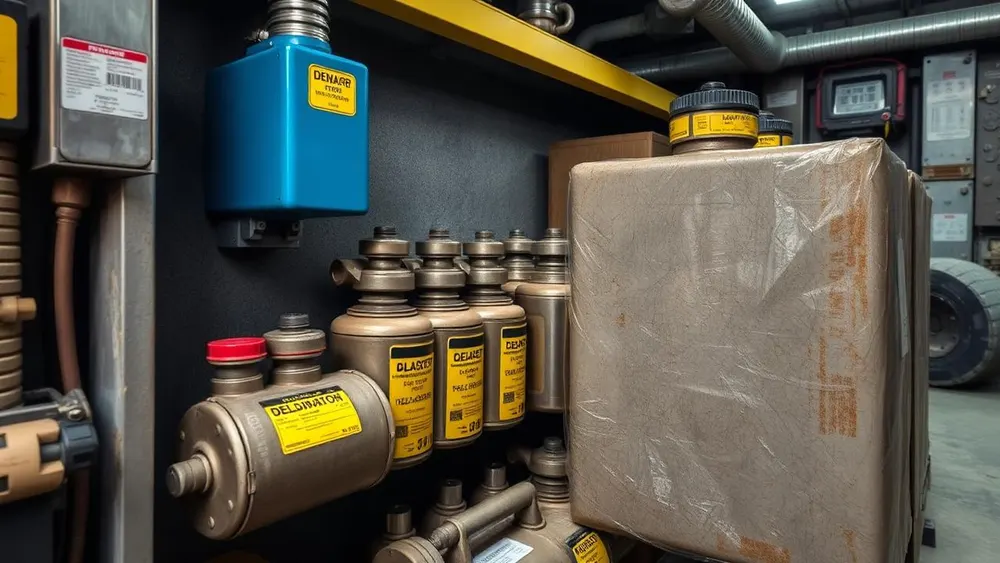
Sivil Kullanım Amaçlı Patlayıcılar Yönetmeliği, askeri amaçlı olmayan endüstriyel patlayıcıların güvenli üretim, taşıma, depolama ve kullanımını düzenler.
AB Tip İncelemesi (Modül B) + üretim denetimi (Modül C2, D, E veya F) zorunludur. Ayrıca her birim için tek tanımlı izleme (track and trace) sistemine kayıt şarttır.
Sivil Patlayıcı Yönetmeliğinin Amacı
- Sivil patlayıcıların güvenli kullanımını sağlamak
- İzlenebilirlik ve kayıt sistemiyle yasa dışı kullanımı önlemek
- İşçi sağlığı ve güvenliği ile çevre koruması
- AB tek pazarında uyumlu denetim
Kapsam ve Ürün Örnekleri
- Endüstriyel dinamit ve emülsiyon patlayıcılar
- ANFO ve duyarlılaştırılmış patlayıcılar
- Detonatörler ve kapsüller
- Patlayıcı fitili ve gecikme aksesuarları
Sivil Kullanım Amaçlı Patlayıcılar Yönetmeliği Nasıl Alınır?
- 1Onaylanmış kuruluş başvurusu
- 2AB Tip İncelemesi (Modül B) ve üretim denetimi
- 3Patlayıcı performans testleri (BAM, EN serisi)
- 4Her birim için izlenebilirlik kodu ve etiket
- 5İzin belgeleri (İçişleri Bakanlığı) ile koordinasyon
- 6AB Uygunluk Beyanı ve CE + onaylanmış kuruluş kimlik numarası
Teknik Dosyada Bulunması Gerekenler
- Ürünün genel açıklaması ve kullanım amacı
- Tasarım ve imalat çizimleri, devre şemaları, parça listeleri
- Uygulanan harmonize standartların listesi ve sapma gerekçeleri
- Risk değerlendirme raporu ve alınan koruyucu önlemler
- Akredite laboratuvar test ve muayene raporları
- Türkçe kullanım, kurulum ve bakım kılavuzu
- İmzalı AT/AB Uygunluk Beyanı (DoC) örneği
AT/AB Uygunluk Beyanı (DoC) İçeriği
- İmalatçı (ve varsa yetkili temsilci) adı, ticari unvanı ve adresi
- Ürünün tanımı, model, tip, seri numarası ve izlenebilirlik bilgisi
- Uygulanan AB direktifinin/yönetmeliğinin tam referansı
- Uygunluk sağlanan harmonize standartların liste hâlinde referansları
- Onaylanmış kuruluş adı, kimlik numarası ve düzenlenen belge referansı (gerekiyorsa)
- İmza, imzalayan kişinin adı–görevi, yer ve tarih
İlgili Harmonize Standartlar
| Standart | Açıklama |
|---|---|
| EN 13630 serisi | Patlayıcı fitilleri ve gecikme elemanları |
| EN 13631 serisi | Sivil patlayıcılar — gereklilikler |
| EN 13763 serisi | Detonatörler ve röleler |
Sivil Kullanım Amaçlı Patlayıcılar Direktifi (2014/28/EU) Harmonize Standartlar — Tam Liste
AB Resmi Gazete'sinde yayımlanan ve uygunluk karinesi sağlayan EN standartlarının özet listesi. Kaynak: Avrupa Komisyonu, OJ C 118 — 12 Nisan 2017 (önceki tüm listelerin yerine geçer). Toplam 57 kayıt, 57 aktif.
| Standart | Başlık | Yürürlük | Durum |
|---|---|---|---|
| EN 13630-1:2003 | Explosives for civil uses - Detonating cords and safety fuses - Part 1: Requirements | — | Yürürlükte |
| EN 13630-2:2002 | Explosives for civil uses - Detonating cords and safety fuses - Part 2: Determination of thermal stability of detonating cords and safety fuses | — | Yürürlükte |
| EN 13630-3:2002 | Explosives for civil uses - Detonating cords and safety fuses - Part 3: Determination of sensitiveness to friction of the core of detonating cords | — | Yürürlükte |
| EN 13630-4:2002 | Explosives for civil uses - Detonating cords and safety fuses - Part 4: Determination of sensitiveness to impact of detonating cords | — | Yürürlükte |
| EN 13630-5:2003 | Explosives for civil uses - Detonating cords and safety fuses - Part 5: Determination of resistance to abrasion of detonating cords | — | Yürürlükte |
| EN 13630-6:2002 | Explosives for civil uses - Detonating cords and safety fuses - Part 6: Determination of resistance to tension of detonating cords | — | Yürürlükte |
| EN 13630-7:2002 | Explosives for civil uses - Detonating cords and safety fuses - Part 7: Determination of reliability of initiation of detonating cords | — | Yürürlükte |
| EN 13630-8:2002 | Explosives for civil uses - Detonating cords and safety fuses - Part 8: Determination of resistance to water of detonating cords and safety fuses | — | Yürürlükte |
| EN 13630-9:2004 | Explosives for civil uses - Detonating cords and safety fuses - Part 9: Determination of transmission of detonation from detonating cord to detonating cord | — | Yürürlükte |
| EN 13630-10:2005 | Explosives for civil uses - Detonating cords and safety fuses - Part 10: Determination of initiating capability of detonating cords | — | Yürürlükte |
| EN 13630-11:2002 | Explosives for civil uses - Detonating cords and safety fuses - Part 11: Determination of velocity of detonation of detonating cords | — | Yürürlükte |
| EN 13630-12:2002 | Explosives for civil uses - Detonating cords and safety fuses - Part 12: Determination of burning duration of safety fuses | — | Yürürlükte |
| EN 13631-1:2005 | Explosives for civil uses - High explosives - Part 1: Requirements | — | Yürürlükte |
| EN 13631-2:2002 | Explosives for civil uses - High explosives - Part 2: Determination of thermal stability of explosives | — | Yürürlükte |
| EN 13631-3:2004 | Explosives for civil uses - High explosives - Part 3: Determination of sensitiveness to friction of explosives | — | Yürürlükte |
| EN 13631-4:2002 | Explosives for civil uses - High explosives - Part 4: Determination of sensitiveness to impact of explosives | — | Yürürlükte |
| EN 13631-5:2002 | Explosives for civil uses - High explosives - Part 5: Determination of resistance to water | — | Yürürlükte |
| EN 13631-6:2002 | Explosives for civil uses - High explosives - Part 6: Determination of resistance to hydrostatic pressure | — | Yürürlükte |
| EN 13631-7:2003 | Explosives for civil uses - High explosives - Part 7: Determination of safety and reliability at extreme temperatures | — | Yürürlükte |
| EN 13631-10:2003 | Explosives for civil uses - High explosives - Part 10: Method for the verification of the means of initiation | — | Yürürlükte |
| EN 13631-11:2003 | Explosives for civil uses - High explosives - Part 11: Determination of transmission of detonation | — | Yürürlükte |
| EN 13631-12:2004 | Explosives for civil uses - High explosives - Part 12: Specifications of boosters with different initiating capability | — | Yürürlükte |
| EN 13631-13:2003 | Explosives for civil uses - High explosives - Part 13: Determination of density | — | Yürürlükte |
| EN 13631-14:2003 | Explosives for civil uses - High explosives - Part 14: Determination of velocity of detonation | — | Yürürlükte |
| EN 13631-15:2005 | Explosives for civil uses - High explosives - Part 15: Calculation of thermodynamic properties | — | Yürürlükte |
Sivil Patlayıcı Hakkında Sıkça Sorulan Sorular
Sivil Kullanım Amaçlı Patlayıcılar Yönetmeliği nedir?
+
Sivil Kullanım Amaçlı Patlayıcılar Yönetmeliği (2014/28/AB), madencilik, inşaat, kaya patlatma amaçlı sivil kullanım patlayıcıları kapsamındaki ürünlerin güvenlik, sağlık ve çevre koruma gerekliliklerini düzenleyen Türk teknik mevzuatıdır. İçişleri Bakanlığı / Sanayi ve Teknoloji Bakanlığı tarafından yürütülmektedir ve AB 2014/28/AB direktifi ile tam uyumludur.
Sivil Patlayıcı Yönetmeliği hangi ürünleri kapsar?
+
Sivil Patlayıcı yönetmeliği, Endüstriyel dinamit ve emülsiyon patlayıcılar; ANFO ve duyarlılaştırılmış patlayıcılar; Detonatörler ve kapsüller gibi ürünleri kapsar. Ürününüzün kapsama girip girmediği teknik özellikler ve kullanım amacı dikkate alınarak belirlenir.
Sivil Patlayıcı kapsamında CE belgesi nasıl alınır?
+
Sivil Patlayıcı CE işareti süreci şu adımlardan oluşur: Onaylanmış kuruluş başvurusu → AB Tip İncelemesi (Modül B) ve üretim denetimi → Patlayıcı performans testleri (BAM, EN serisi) → Her birim için izlenebilirlik kodu ve etiket. Süreç sonunda AT/AB Uygunluk Beyanı imzalanır ve ürüne CE işareti iliştirilir.
Sivil Kullanım Amaçlı Patlayıcılar Yönetmeliği için onaylanmış kuruluş (Notified Body) zorunlu mu?
+
Evet, ürün kategorisine ve risk sınıfına bağlı olarak onaylanmış kuruluş (Notified Body) müdahalesi zorunludur. Modül seçimine göre tip incelemesi, üretim kalite güvencesi veya birim doğrulama yapılır.
Sivil Patlayıcı teknik dosyasında neler bulunmalı?
+
Sivil Patlayıcı teknik dosyası en az şunları içerir: Ürünün genel açıklaması ve kullanım amacı, Tasarım ve imalat çizimleri, devre şemaları, parça listeleri, Uygulanan harmonize standartların listesi ve sapma gerekçeleri, Risk değerlendirme raporu ve alınan koruyucu önlemler, Akredite laboratuvar test ve muayene raporları. Teknik dosya, ürünün piyasaya arzından itibaren en az 10 yıl saklanmak zorundadır.
Sivil Patlayıcı için hangi harmonize standartlar uygulanır?
+
2014/28/AB kapsamında uygulanan başlıca harmonize EN standartları EN 13630 serisi, EN 13631 serisi, EN 13763 serisi olarak sıralanabilir. Harmonize standartlara uygunluk, yönetmeliğin temel gerekliliklerine "uygunluk karinesi" sağlar. Güncel liste için AB Resmi Gazete (OJ) yayınları takip edilmelidir.
Sivil Patlayıcı AT/AB Uygunluk Beyanı (DoC) nedir ve neleri içerir?
+
AT/AB Uygunluk Beyanı, üreticinin ürünün 2014/28/AB ve diğer ilgili AB mevzuatına uygun olduğunu tek başına beyan ettiği yasal belgedir. İçeriği: İmalatçı (ve varsa yetkili temsilci) adı, ticari unvanı ve adresi, Ürünün tanımı, model, tip, seri numarası ve izlenebilirlik bilgisi, Uygulanan AB direktifinin/yönetmeliğinin tam referansı, Uygunluk sağlanan harmonize standartların liste hâlinde referansları, Onaylanmış kuruluş adı, kimlik numarası ve düzenlenen belge referansı (gerekiyorsa). Beyan üretici veya yetkili temsilcisi tarafından imzalanır.
Sivil Patlayıcı kapsamında CE belgelendirme süreci ne kadar sürer?
+
Süreç, ürünün karmaşıklığına, test sayısına ve onaylanmış kuruluş müdahalesinin gerekip gerekmediğine bağlı olarak değişir. Tipik olarak öz beyan süreçleri 2–6 hafta, onaylanmış kuruluş gerektiren süreçler 3–9 ay arasında tamamlanır. Teknik dosya hazırlığı ve test süreleri toplam süreyi doğrudan etkiler.
Sivil Patlayıcı kapsamı dışındaki ürünlere CE işareti iliştirilebilir mi?
+
Hayır. CE işareti, ürünün ilgili AB Yeni Yaklaşım direktif(ler)i ve Türk yönetmelikleri kapsamına girdiğinde iliştirilir. Kapsam dışı ürünlere CE iliştirilmesi 7223 sayılı Ürün Güvenliği ve Teknik Düzenlemeler Kanunu uyarınca yanıltıcı işaretleme sayılır ve idari para cezasına konu olur.
Sivil Kullanım Amaçlı Patlayıcılar Yönetmeliği ile AB 2014/28/AB direktifi arasında fark var mı?
+
Türkiye, 1/95 sayılı Gümrük Birliği Kararı kapsamında AB Yeni Yaklaşım direktiflerini ulusal mevzuatına aktarmıştır. Sivil Kullanım Amaçlı Patlayıcılar Yönetmeliği, AB 2014/28/AB direktifinin Türkçe karşılığıdır ve teknik gereklilikler açısından AB metni ile bire bir uyumludur. Bu nedenle Sivil Patlayıcı kapsamında üretilen ürünler hem Türkiye'de hem AB pazarında serbest dolaşıma sahiptir.
Sivil Patlayıcı için CE belgesi danışmanlığı almak gerekir mi?
+
Yasal bir zorunluluk değildir ancak teknik dosya hazırlığı, modül seçimi, harmonize standart belirlenmesi ve onaylanmış kuruluş yönetimi uzmanlık gerektirir. Profesyonel danışmanlık, süreç süresini kısaltır ve uygunluk hatalarından kaynaklı pazara giriş gecikmelerini önler.
Sivil Patlayıcı kapsamında EN 13630 serisi standardı nedir?
+
EN 13630 serisi — Patlayıcı fitilleri ve gecikme elemanları Bu standarda uygunluk, 2014/28/AB kapsamındaki ilgili temel gerekliliklere uygunluk karinesi sağlar.
Sivil Patlayıcı kapsamında ürününüz var mı?
Uzman danışmanlarımız Sivil Kullanım Amaçlı Patlayıcılar Yönetmeliği sürecinin her aşamasında size yardımcı olur.